
What Is a Life Coach?
How North Star Brings Personal Growth into the Pasture
What a life coach does, and how guided experiences with horses turn what you notice into everyday change.
By
6 min read
You can be doing everything you are supposed to do and still feel disconnected from the life you want. Perhaps you are navigating a transition, struggling to set boundaries, or noticing that the same frustrations keep returning. You may know something needs to change without knowing where to begin. Life coaching creates space to explore that uncertainty, understand your choices, and take practical steps toward what matters to you.
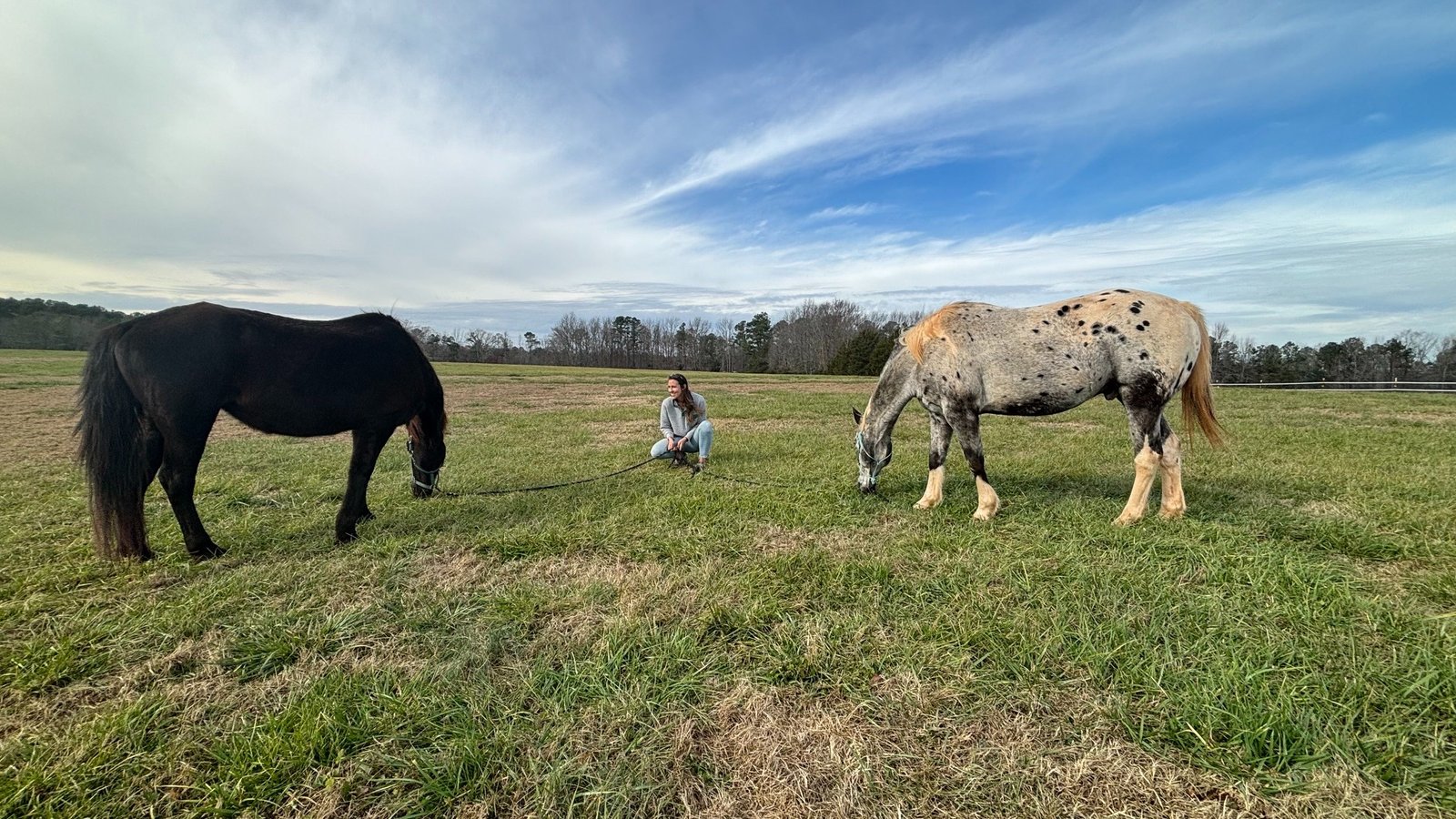
A life coach partners with you to clarify your goals, recognize patterns, and put new approaches into practice. At North Star Equine Experience, that process includes guided experiences with horses. Through activities and reflection, equine assisted coaching offers an opportunity to explore how you communicate, approach challenges, and respond to unfamiliar situations. What you notice in the pasture becomes a starting point for understanding how you show up in everyday life.
What does a life coach actually do?
A life coach helps you examine where you are, where you want to go, and what might be getting in the way. The work involves attentive listening, thoughtful questions, reflection, and practical action. The International Coaching Federation describes professional coaching as a partnership that supports personal and professional potential, with clients developing their own solutions and direction.
That partnership matters because meaningful goals are personal. Two people might both say they want more confidence, yet mean very different things. For one, confidence could mean speaking up at work. For another, it might mean making a decision without seeking everyone else’s approval. A coach helps you explore what your goal means to you and how you would recognize progress.
Coaching also creates an opportunity to examine the space between knowing and doing. You may understand that you need clearer boundaries but find yourself agreeing to every request. You might want to change careers but keep postponing the first conversation. By exploring what happens in those moments, you and your coach can identify an approach that feels realistic enough to practice.
How horses become part of the coaching experience
At North Star, personal growth includes guided experiences with horses alongside conversation and reflection. Sessions combine time in the pasture with the horses and time in a calm studio office. No riding is involved, and you do not need previous horse experience to participate.
This experiential approach gives you something immediate to explore. During an activity, you might notice that you rush when you feel uncertain, hesitate to communicate what you want, or become frustrated when an outcome does not happen on your schedule. Your coach can help you reflect on that response and consider whether it feels familiar elsewhere in your life.
For most people, self-reflection can be challenging. We hide the parts of ourselves we don’t want to face and “act as if.” But horses don’t see the masks we wear. They don’t care about social status, job titles, or wealth. They do care about energy and congruence. They care about how we show up. And they respond to our energy immediately and honestly, every time.
When we are not congruent – when our insides don’t match our outsides, or we’re acting as if we’re not afraid/anxious/confused when, in fact, we are – horses will disconnect and withdraw. When we get present and grounded in the moment and approach with authenticity and honesty, the horses will respond in kind. The horses provide honest, nonjudgmental feedback in the moment, bringing aspects of our behavior we may have been ignoring or avoiding to the surface. They also give us an opportunity to try something different and experience in the moment how that changes the relationship.
For example, imagine noticing an urge to keep trying harder when an activity is not unfolding as you expected. A pause might reveal that you have become focused on completing the task and stopped paying attention to your own comfort or approach. From there, a coaching conversation could explore how you respond to pressure at work or in relationships, and what you would like to try differently.
This example illustrates how experiential coaching can unfold; each person’s experience will be different. The focus is on what you notice and how guided reflection helps you connect that awareness to your goals. You can explore the setting and approach in more detail on North Star’s personal equine assisted coaching page.
Turning awareness into everyday change
An insight becomes useful when you find a way to apply it. Recognizing that you rush under pressure may help you understand a pattern, but the next question is what you want to do when that pressure returns. Coaching helps connect what you notice with an action you can try outside the session.
That action might be giving yourself time before accepting a new responsibility, preparing for a difficult conversation, or pausing before responding to a request. In a later session, you can explore what happened, what helped, and what still felt difficult. This process provides accountability while leaving room to adjust your approach as you learn.
North Star’s philosophy centers on the relationship between awareness, choice, and change. Experiences with horses provide opportunities to notice your responses, while reflection helps you consider their relevance to daily life. You can learn about founder Heather Lewis, her training, and North Star’s coaching philosophy as you consider whether that approach fits your needs.
What can a life coach help you work on?
People seek coaching for many reasons, including personal transitions, uncertainty about direction, communication challenges, and goals they have struggled to pursue alone. Sometimes the starting point is specific, such as making a career decision. At other times, it is a broader feeling of being stretched thin or disconnected from personal priorities.
The work becomes more useful as those concerns take shape. “I want more balance” might lead to a conversation about which commitments feel meaningful and which have become difficult to sustain. “I want better boundaries” might become an exploration of how you communicate your needs and what makes that uncomfortable. Together, you and your coach can identify what is within your control and what a manageable next step could look like.
North Star’s personal coaching is designed for people exploring concerns such as feeling stuck, navigating change, seeking clarity, or wanting healthier boundaries and relationships. Guided activities and reflection connect the experience with the goals each person brings.
What services do life coaches offer?
Life coaching services vary with each practitioner’s training and focus. Some coaches work individually with clients on personal development, while others specialize in career direction, leadership, or transitions. Group coaching brings people together around shared themes, and experiential coaching incorporates activities into the learning process.
North Star’s distinctive offering is its combination of equine assisted experiences and guided reflection. Alongside personal coaching, the business offers leadership and team development workshops with horses. These customized experiences focus on areas such as communication, leadership, team dynamics, and shared priorities, beginning with a discovery process to understand the organization’s goals.
Whatever service you are considering, the arrangement should be clear before you begin. You should understand the format, fees, scheduling, confidentiality and its limits, and how progress will be reviewed. The ICF Code of Ethics addresses these professional expectations for ICF professionals and provides useful context for understanding a coaching agreement.
What does research say about coaching?
Research offers encouraging findings about coaching, although the type of coaching and the setting matter. A 2023 meta-analysis of randomized controlled trials found positive overall effects from workplace and executive coaching. The researchers also identified indications of publication bias, which calls for care when interpreting the results.
These findings do not establish that every coaching approach produces the same outcomes, and research about workplace coaching cannot automatically be applied to equine assisted coaching. For someone considering North Star, a practical question is whether the approach suits their goals and how they will evaluate their experience. Progress might mean making a decision, practicing a boundary, or following through on an action that previously felt difficult.
What to expect when you begin at North Star
You do not need to arrive with a complete plan or knowledge of horses. An initial consultation is an opportunity to discuss what brings you to coaching, understand how the experience works, and ask questions about your goals, comfort, and participation. It is also a good time to discuss safety, accessibility, and any accommodations you may need.
From there, the work provides space to explore your responses through experiences in the pasture and guided reflection. The purpose is to connect what you notice during the session with choices that matter beyond it, whether that involves how you communicate, make commitments, or approach your next chapter.
At North Star, the horses are an integral part of that experience. They bring the work into a setting where you can observe yourself in the moment, reflect with support, and consider something new. If you are curious about what that could look like for you, contact Heather to arrange a consultation.
Sources
- International Coaching Federation: What Is Coaching?
- International Coaching Federation: Guide to Experiencing Coaching for Individuals
- International Coaching Federation: ICF Code of Ethics
- de Haan, E., & Nilsson, V. O. (2023): What Can We Know about the Effectiveness of Coaching? A Meta-Analysis Based Only on Randomized Controlled Trials. Academy of Management Learning & Education.